This newsletter is a joint venture between a workgroup of Wisconsin Emergency Management (WEM) and statewide county emergency management representatives. This workgroup was formed to provide guidance and training to Local Emergency Planning Committees (LEPC), as they work to reenergize and improve participation in emergency planning in their communities.
Why Exercises Matter: Building Readiness Before an Emergency
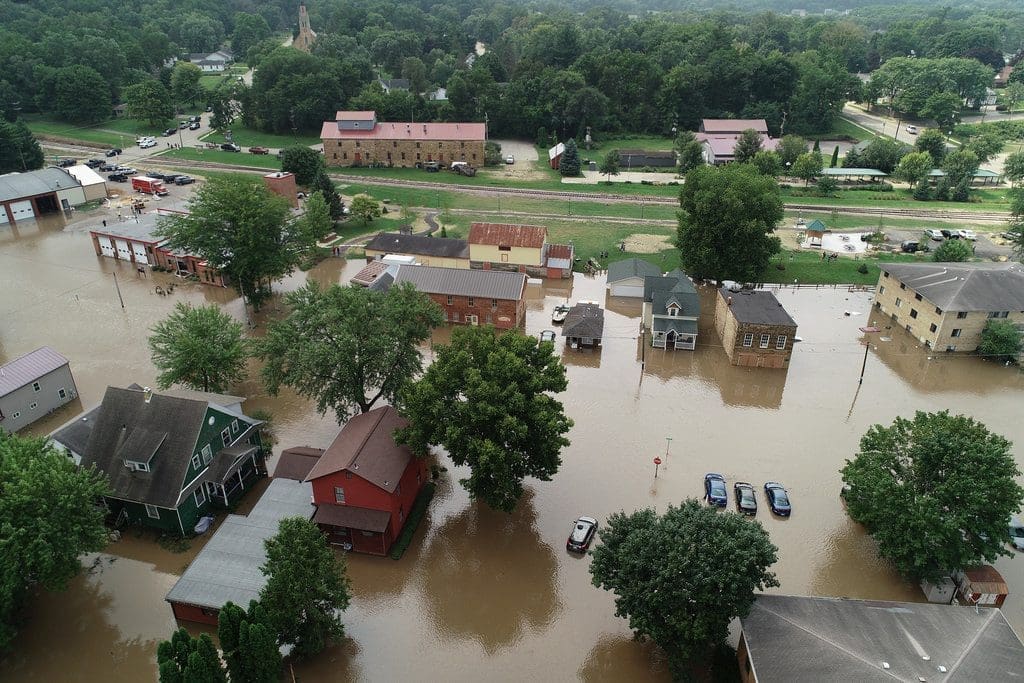
Emergency plans are most valuable when the people responsible for carrying them out have practiced working together before an incident occurs. Preparedness exercises give communities an opportunity to test plans, clarify roles, and strengthen coordination among emergency management, fire and law enforcement agencies, public health, public works, schools, health care providers, businesses, volunteer organizations, and other partners. By practicing in a structured setting, participants can identify issues while there is time to resolve them—not during an emergency when decisions may need to be made quickly.
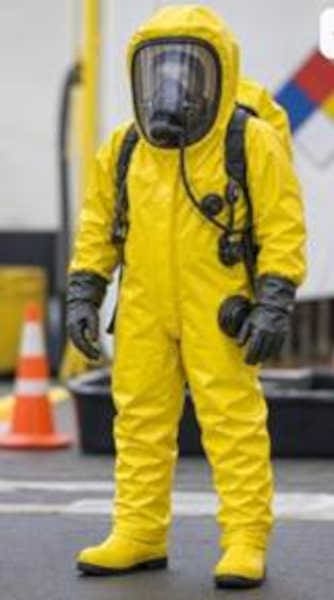
Exercises can range from a short discussion-based tabletop session to a functional or full-scale exercise that tests communications, emergency operations center coordination, field response, public information, evacuation, sheltering, and resource management. A scenario such as a hazardous materials release allows partners to walk through the actions they would take, the information they need, and the decisions they must make. This practice helps organizations validate procedures, confirm contact information, and become more familiar with each other’s capabilities and limitations.
For chemical emergencies, exercises are especially important because a successful response depends on timely notification, coordinated protective-action decisions, responder safety, and clear public messaging. A well-designed exercise can test how information flows from a facility or field responder to local officials, how partners decide whether residents should shelter in place or evacuate, and how the public will receive instructions. Exercises also help ensure that local emergency plans, including EPCRA-related planning, remain practical and current as facilities, personnel, technology, and community conditions change.
Just as important, every exercise should produce lessons that improve future readiness. Participants should document what worked well, identify gaps or corrective actions, assign responsibility for follow-up, and update plans, training, or agreements as needed. Regular, inclusive exercises build relationships and confidence across agencies and organizations. They help Wisconsin communities move from having a plan on paper to having a shared ability to act—protecting residents, responders, businesses, and the environment when it matters most.
Grant Deadlines & Upcoming Funding
- EMPG 2026 application due September 30, 2026.
- EPCRA 2027 NOFO will be out by September 15, with a due date of October 31, 2026.
- 2026 HMEP Grants will be released in November.
Training/Conference
- WEMA Conference, September 23-24, 2026 – Stevens Point, WI Registration. Pre-conference training will be held on September 22.
- NEMA Annual Forum – October 19-22, 2026 – Little Rock, AR NEMA Annual Forum Save-the-Date.
- NASTTPO Mid-year Workshop – October 26-28, 2026, Rogers, AR Register Here.
- IAEM Conference – November 6-12, 2026 – Long Beach, CA IAEM Conference Registration.
- FEMA’s Center for Domestic Preparedness has several training opportunities, including HazMat, at the Anniston, AL campus. Learn more at CDP.
Resources
2027 LEPC Pre-Conference Offering: LEPC Resilience & Engagement
LEPC 101/201
The Wisconsin Emergency Management Emergency Planning and Community Right-to-Know Act (EPCRA) team along with the Local Emergency Planning Committee (LEPC) Best Practices Workgroup is pleased to present a LEPC Resilience & Engagement session as pre-conference training at the Wisconsin Governor’s Conference on Emergency Management and Homeland Security in Middleton, Wisconsin on March 22, 2027. Tim Gablehouse, Past President of the National Association of SARA Title III Program Officials (NASTTPO), will be presenting LEPC 101 and 201. More details will follow in the December 2026 Newsletter.
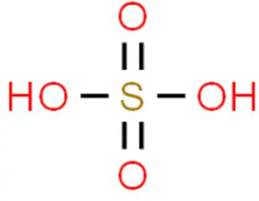
Featured Chemical: Sulfuric Acid
CAS # 7664‑93‑9
Sulfuric Acid is one of the most common extremely hazardous substances in the State of Wisconsin. A sulfuric acid release results in a standard vulnerability zone of less than 0.10 miles.
Sulfuric acid is widely used in:
- Lead-acid batteries and battery manufacturing.
- Fertilizer production and agricultural chemical processing.
- Petroleum refining and chemical manufacturing.
- Metal processing, cleaning, pickling, and electroplating.
- Wastewater treatment and pH control.
- Paper, textile, detergent, and pigment manufacturing.
Signs and Symptoms of Exposure
Inhalation: Burning or irritation of the nose and throat; coughing, choking or hoarseness; chest tightness or shortness of breath; wheezing or respiratory distress, Severe exposures may involve significant airway or lung injury.
Skin Contact: Immediate burning pain; redness, discoloration, or whitening of affected skin; blistering and chemical burns; deep tissue damage with concentrated-product exposure.
Eye Contact: Sever pain and tearing; redness and swelling; sensitivity to light; blurred vision or vision loss in serious exposures
Ingestion: Burns and pain of the lips, mouth, throat, or abdomen; difficulty swallowing; nausea or vomiting, potential severe internal injury.
The next issue will be released in December 2026. If you have ideas that you would like to share, please reach out to Darlene Pintarro. Let’s work together here in Wisconsin!
WHOPRS Planned Outage:
9/9/26 – 9/14/26
Did You Know?
WEM will be offering a Hazmat Refresher Course along with the EPCRA Inspector Training.
Date: October 15, 2026
Counties are welcome to audit the course and sit in without taking the inspector exam.